Private Tanzania safaris · planned from Arusha
Tanzania,
thoughtfully yours.
Your own guide, your own vehicle and a journey shaped around the way you genuinely want to travel.
Private Tanzania safaris · planned from Arusha
Your own guide, your own vehicle and a journey shaped around the way you genuinely want to travel.
Travel on your own time, with a guide who stays with your journey.
A clear focus on the country, its seasons and its best route combinations.
Useful, grounded advice from the place where the safari begins.
Every route is explained with the stays, logistics and pricing in view.
A simpler place to begin
Choose the starting point closest to your trip. You will find complete ideas, transparent from-prices and the details that make each route work.
Serengeti, Ngorongoro and the right amount of time in each place.
Explore classic journeys 02Plan around the month you travel, not a fixed route on a calendar.
Explore migration seasons 03Beautiful stays, generous downtime and a route designed for two.
Explore honeymoon ideas 04A Tanzania safari first, followed by a considered Zanzibar finish.
Explore bush-to-beach ideas
A Tanzania journey with room to unfold
THE TANZANIA LUXURY SAFARIS designs private journeys for people who want to travel well, not simply move quickly. We begin with your dates and priorities, then build a route with the right camp positions, realistic connections and time where it matters.
We work only in Tanzania. That focus lets us advise with precision: which Serengeti area fits your month, where an extra night changes the experience and which stays genuinely suit the journey you want.
How we plan TanzaniaThe foundation of every journey
Your own guide and vehicle mean the day follows your interests, energy and the wildlife—not a shared schedule.
We choose camps for where they are, how they feel and the quality they add after a day in the bush.
From your arrival to your final transfer, we keep the route clear, calm and properly coordinated.
The landscapes that define Tanzania
We combine Tanzania’s defining wilderness areas in an order that feels natural—giving every place enough time to become more than a stop on the way.
Journeys to begin with
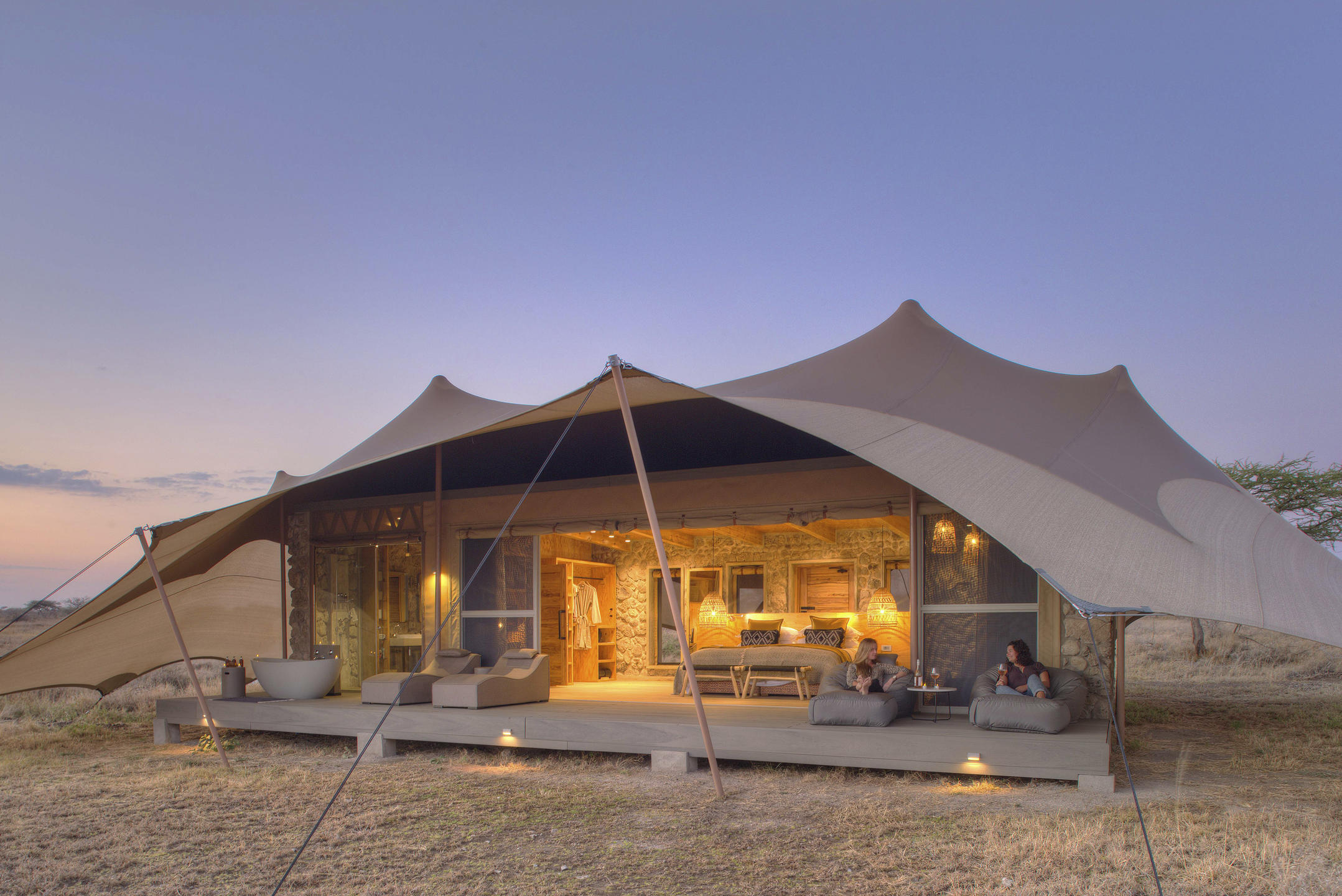
Three Serengeti nights, a full crater day and a private rhythm from arrival to departure.
View the day-by-day route
Tarangire, Ngorongoro and the Serengeti, each given the time and contrast it deserves.
View the day-by-day route
A fly-in private safari positioned around your dates, the season and the movement of wildlife.
View the day-by-day routeChoose with clarity
Every itinerary is tailored, but these starting points make it easier to see what changes with your time, season and priorities.

The places you come back to at the end of the day
The right stay gives you more than a beautiful room. It places you well for the wildlife, gives you privacy when you want it and makes the hours between drives feel like part of the journey.
Explore exceptional staysYour safari, shaped around you
Share the dates you have, who is travelling and the experience you picture. We will give you direct, useful advice on route length, seasonal wildlife, camp choices and the level of comfort that will matter most.
Private Tanzania safari FAQs
A personal conversation will always take you further, but these answers are a useful place to begin.
Ask us your own questionYes. Every trip is privately planned for your group, with your own guide and vehicle. That means the day can follow your interests, from a long morning with wildlife to time back at camp, rather than a shared timetable. Explore our private luxury Tanzania safaris for the kind of flexibility this creates.
Tanzania is rewarding year-round, but the right month depends on what you value most: calving season, river crossings, dry-season wildlife density, greener landscapes or quieter camps. We use your dates as a starting point and match the route to the season. Our Great Migration guide explains why timing and location matter together.
For a first private Tanzania safari, 6 to 8 nights usually offers a generous pace. It gives the Serengeti enough time, makes room for Ngorongoro and avoids turning the holiday into a chain of transfers. With 9 or more nights, Tarangire or another Serengeti area can add real depth. Browse our Tanzania safari ideas for different route lengths.
Yes. Dedicated private guiding is core to the way we travel. It lets you shape the day around photography, wildlife, family needs or simply the wish to be out longer. Your guide also makes the transition between camps and landscapes feel easy, with the details handled in the background.
Absolutely. We design honeymoons around privacy, beautiful accommodation and a pace that leaves room for the two of you. That may mean an intimate tented camp, a long stay in one Serengeti setting, a private dinner or a route with fewer moving parts. See a sample Tanzania honeymoon safari, then let us make it yours.
Yes. Private travel is particularly good for families because game-drive hours, stops and lodge time can be adapted to the people travelling. We look carefully at room configurations, child policies, travel distances and camp atmosphere before making recommendations. Our family safari ideas are a useful first step.
We look at far more than a hotel name. Location, guiding, room style, privacy, service, food and how a camp fits the rhythm of your route all matter. A beautiful place that creates too much driving is rarely the best luxury choice. We explain the differences clearly so you understand why each stay is suggested.
Your proposal will set out the route, accommodation, private guide and vehicle, domestic logistics, park fees, included meals and transfers. It also makes exclusions clear. Above all, it explains the logic of the journey: how each day works and where you have the flexibility to change the experience before confirming.
Yes. The migration is not one fixed event in one fixed place; it moves through a large ecosystem. We match your travel window to the likely wildlife pattern, then balance that with camp availability, guiding and the kind of Serengeti experience you want. A Serengeti safari guide gives more context before we discuss the details.
Begin with whatever you know: a month, approximate trip length, number of people travelling, wildlife priorities or a particular celebration. We will return with grounded guidance and the right questions to move forward. Use our private safari planning form or email info@luxuryinafrica.com.
The Tanzania Luxury Safaris
Begin with your dates, your group and the kind of Tanzania experience you want. We will bring back a private route with clear, thoughtful next steps.